Table of Contents
- Introduction: A World on the Brink in 2026
- The Geopolitical Landscape: Why 2026?
- Ezekiel 38 and the Gog-Magog Alliance
- Could a US and Israel Strike Iran Act as the Catalyst?
- The Role of the United States in Biblical Prophecy
- Isaiah 17 and the Destruction of Damascus
- Spiritual Implications for Believers Today
- Conclusion: Watching the Prophetic Clock
- Frequently Asked Questions
Introduction: A World on the Brink in 2026
As global tensions escalate to unprecedented levels, millions of believers and geopolitical analysts alike are watching the Middle East with bated breath. The prominent question dominating diplomatic backchannels and prophetic discussions is whether the US and Israel strike Iran in 2026 to neutralize its advanced nuclear program. This is not merely a political or military debate; for students of scripture, a scenario where the US and Israel strike Iran carries profound eschatological weight.
To fully grasp why the prospect that the US and Israel strike Iran is dominating headlines, we must analyze the intersection of modern military realities and ancient biblical texts. Many scholars posit that if the US and Israel strike Iran, it could serve as the ultimate catalyst for the prophetic events outlined in Ezekiel 38, commonly known as the Gog and Magog war. Are we witnessing the final pieces of a prophetic puzzle falling into place? If the US and Israel strike Iran, the resulting regional fallout will undoubtedly reshape the globe.
Throughout this comprehensive analysis, we will explore what happens when the US and Israel strike Iran, how a targeted military campaign aligns with biblical timelines, and whether 2026 is the pivotal year for these prophetic unfoldings.
The Geopolitical Landscape: Why 2026?
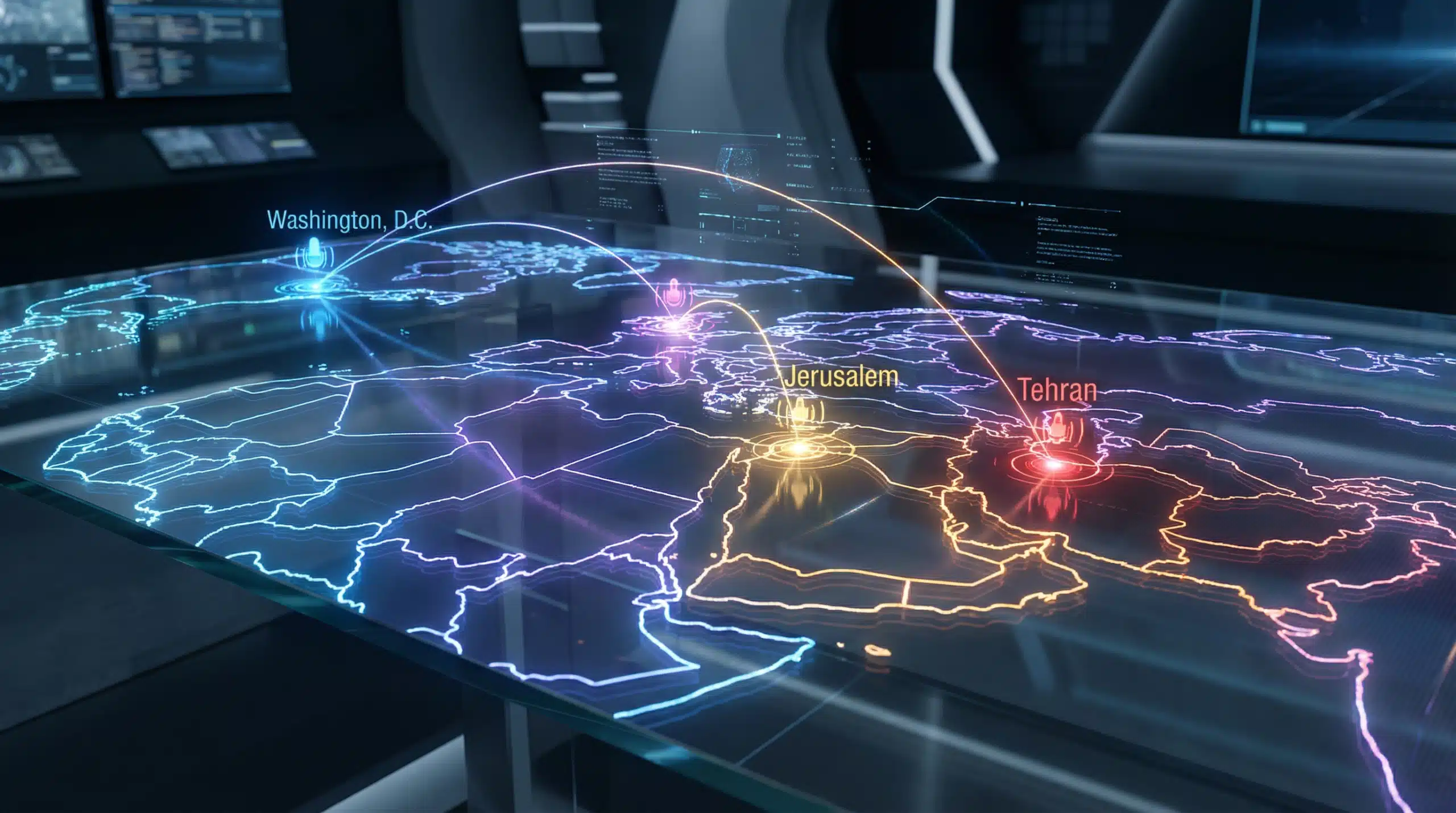
To understand the prophetic implications of why the US and Israel strike Iran, we first must look at the geopolitical and military landscape leading up to 2026. Over the last decade, the Iranian nuclear program has advanced significantly, moving from low-enriched uranium to near-weapons-grade purity. Intelligence agencies worldwide suggest that the timeline for Iran to achieve nuclear breakout capacity is shrinking to mere weeks. Consequently, the strategic necessity that the US and Israel strike Iran has never been more urgent.
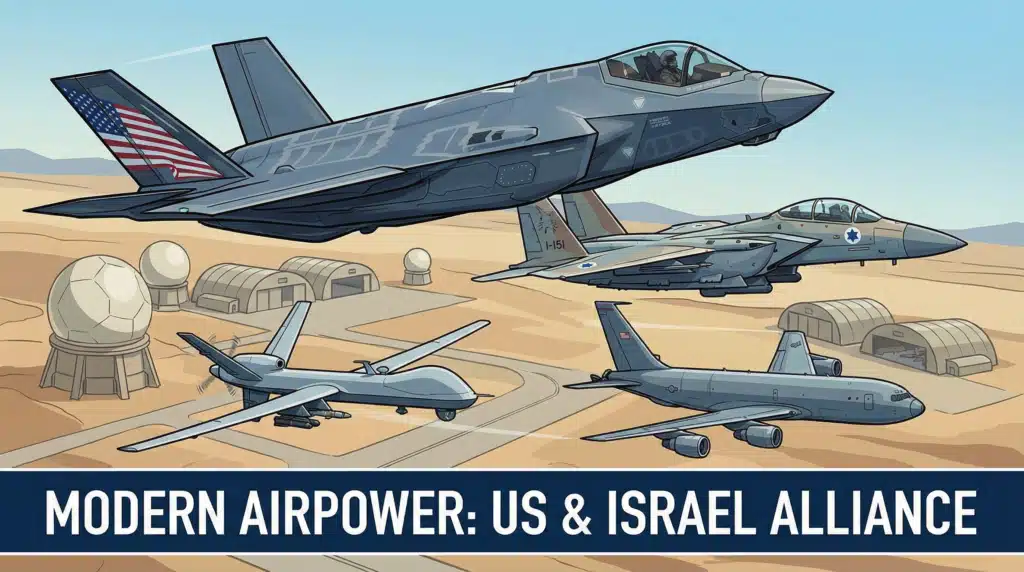
By 2026, the convergence of advanced air defense systems, underground nuclear facilities like Fordow and Natanz, and shifting global alliances creates a critical window. If the US and Israel strike Iran, they must do so before these underground complexes become completely immune to conventional bunker-busting munitions. It is widely believed in military circles that should the US and Israel strike Iran, it will require a heavily coordinated effort utilizing advanced stealth bombers and precision munitions. The debate over whether the US and Israel strike Iran is rooted in existential survival for the Jewish state.
Israel’s leadership has repeatedly stated they will not allow a nuclear-armed regime that actively calls for their annihilation. Thus, the prevailing theory is that the US and Israel strike Iran as a preemptive measure of self-defense. However, every military planner knows that if the US and Israel strike Iran, the immediate retaliation from Iran’s axis of resistance—including Hezbollah, Hamas, and militant groups in Syria and Iraq—will be severe. The geopolitical reality is that when the US and Israel strike Iran, it will not be an isolated event but a regional conflagration. This exact scenario—where a localized military action cascades into a massive multinational conflict—is exactly what biblical prophets described thousands of years ago.
Ezekiel 38 and the Gog-Magog Alliance
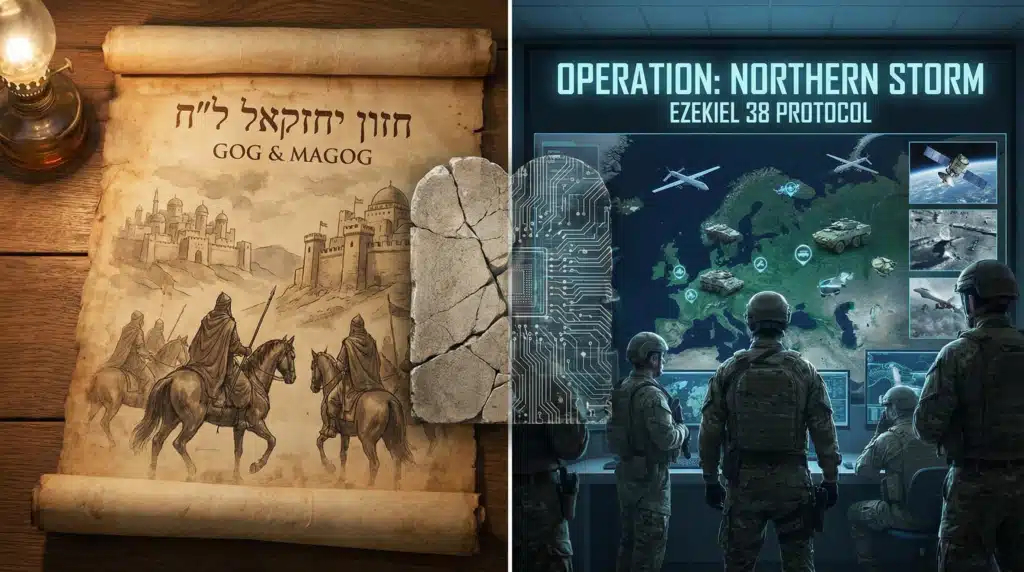
The Book of Ezekiel, chapters 38 and 39, outlines a massive future invasion of Israel by a coalition of nations. When assessing whether the US and Israel strike Iran, we must identify the players in this ancient prophecy. Ezekiel identifies “Gog, of the land of Magog, the chief prince of Meshech and Tubal” leading a massive army alongside “Persia, Cush, and Put.” Historically and geographically, Persia is modern-day Iran. Magog, Meshech, and Tubal are widely recognized by biblical scholars as encompassing modern-day Russia and Turkey.
Therefore, Iran (Persia) is explicitly named as a primary aggressor in this end-times coalition. For decades, theologians wondered how Russia, Turkey, and Iran would ever form a military alliance. Today, that alliance is a geopolitical reality, driven by economic sanctions, energy interests, and a shared animosity toward Western hegemony. But what triggers this massive invasion? This is where the theory that the US and Israel strike Iran becomes prophetically vital. Ezekiel notes that Gog will think an “evil thought” and go up against a land of unwalled villages to take a spoil. If the US and Israel strike Iran, devastating its nuclear capabilities and infrastructure, Iran would be left humiliated and defensively crippled.
In such a scenario, following an event where the US and Israel strike Iran, the Iranian regime would inevitably appeal to its powerful northern ally, Russia (Magog), for protection and retaliation. Thus, a preemptive campaign where the US and Israel strike Iran perfectly sets the stage for Ezekiel 38. Without a neutralizing event where the US and Israel strike Iran, Iran might feel confident enough to act alone. But if the US and Israel strike Iran, crippling their domestic power, an international coalition led by Russia becomes their only viable path for revenge against Israel.
Could a US and Israel Strike Iran Act as the Catalyst?
We must delve deeper into the mechanics of how an operation where the USA and Israel strike Iran triggers the Gog-Magog war. The biblical text indicates that the invading coalition comes down upon the mountains of Israel suddenly. If we assume that in 2026, the US and Israel strike Iran, the domino effect is instantaneous. The moment the US and Israel strike Iran, global markets will react, oil prices will skyrocket, and the Strait of Hormuz could be blockaded. In a desperate bid to survive after the US and Israel strike Iran, Tehran will mobilize its proxy forces.
However, proxy warfare alone cannot defeat a fortified Israel backed by the United States. Therefore, after the US and Israel strike Iran, the strategic pivot must involve Russia. Why would Russia care if the US and Israel strike Iran? Because Russia has significant strategic investments, military bases, and energy partnerships with Iran. A devastating blow where the US and Israel strike Iran directly threatens Russian influence in the Middle East. Ezekiel says the invading force comes “to take a spoil.” If the US and Israel strike Iran, destabilizing the region, Russia may use the guise of defending its ally as a pretext to invade Israel and seize its vast, newly discovered natural gas fields in the Mediterranean.
Every strategic indicator suggests that an event where the US and Israel strike Iran is the perfect geopolitical hook in the jaw (Ezekiel 38:4) that draws the Russian-led coalition into the Middle East. Believers who watch the news can clearly see how the rumblings that the US and Israel strike Iran are paving the way for scripture to be fulfilled to the letter.
The Role of the United States in Biblical Prophecy
A frequent question among prophecy students is regarding the role of America. If the US and Israel strike Iran, why doesn’t the US defend Israel during the subsequent Ezekiel 38 invasion? Ezekiel 38:13 mentions “Sheba, and Dedan, and the merchants of Tarshish, with all the young lions thereof,” who merely offer a weak diplomatic protest to the invasion, asking, “Art thou come to take a spoil?” Many scholars identify the merchants of Tarshish and her young lions as Western powers, potentially including the United Kingdom and its offshoots like the United States.
If it is true that the US and Israel strike Iran together initially, something must happen shortly thereafter that neutralizes American military power or political will. Perhaps the economic fallout of the event where the US and Israel strike Iran severely weakens the US. Or perhaps, following the campaign where the US and Israel strike Iran, a sudden rapture of the church removes a significant portion of America’s population, leaving the nation paralyzed. Another possibility is a profound shift in political administration that embraces extreme isolationism after the US and Israel strike Iran. Whatever the cause, the scripture is clear: when the Gog-Magog invasion occurs, Israel stands alone.
The realization that an initial victory where the US and Israel strike Iran gives way to Israel fighting for its survival without American help highlights the miraculous nature of Ezekiel 38. God Himself intervenes to save Israel. The fact that current geopolitical events heavily focus on whether the US and Israel strike Iran shows us exactly how America might exhaust its final major role in Middle Eastern conflict before fading from prophetic significance.
Isaiah 17 and the Destruction of Damascus
Any comprehensive discussion about the end times and a scenario where the US and Israel strike Iran must also address Isaiah 17, which prophesies the total destruction of Damascus. Isaiah 17:1 states, “Behold, Damascus is taken away from being a city, and it shall be a ruinous heap.” Damascus is one of the oldest continuously inhabited cities in the world and has never been completely destroyed in this manner. How does this tie into the possibility that the US and Israel strike Iran? Syria, with Damascus at its heart, is a crucial logistical hub for Iranian weapons transfers to Hezbollah in Lebanon.
If the US and Israel strike Iran, it is highly likely that Israel will simultaneously strike Iranian proxies and infrastructure in Syria to prevent a coordinated counter-attack from the north. When the US and Israel strike Iran, the northern front will erupt. In the chaos following the initial event where the US and Israel strike Iran, Israel might be forced to utilize extreme measures to neutralize existential threats emanating from Damascus. Many prophetic scholars believe that the destruction of Damascus could happen concurrently or immediately preceding the Ezekiel 38 war.
Thus, the scenario where the US and Israel strike Iran is the spark that ignites the Isaiah 17 powder keg. Watching the Israeli Air Force routinely bomb Iranian targets near Damascus today is merely a preview. If the US and Israel strike Iran directly in 2026, the gloves will come off entirely, and Damascus could meet its prophesied fate in a matter of hours.
Spiritual Implications for Believers Today
While discussing the military intricacies of a conflict where the US and Israel strike Iran is fascinating, the core purpose of bible prophecy is to draw humanity closer to God. Prophecy is not given to scare us, but to prepare us. As we evaluate the likelihood that the US and Israel strike Iran in 2026, believers must ask themselves: How does this affect my daily walk with Christ? The convergence of signs—the calls for global government, the technology for the mark of the beast, and the geopolitical drumbeats suggesting the US and Israel strike Iran—all point to the imminent return of Jesus Christ.
If we truly believe that the world is marching toward a moment where the US and Israel strike Iran and subsequently trigger Ezekiel 38, our priority must be evangelism and spiritual readiness. The looming shadow of a war where the US and Israel strike Iran should compel the church to wake up from spiritual slumber. It is easy to become obsessed with news cycles detailing whether the US and Israel strike Iran today or tomorrow. However, Jesus commanded us to watch, be sober, and be busy about our Father’s business. Knowing that an event where the US and Israel strike Iran could fundamentally alter the course of human history in 2026 gives believers an urgent platform to share the gospel.
We must use these geopolitical realities as conversation starters to explain the sovereignty of God and the truth of scripture.
Conclusion: Watching the Prophetic Clock
In conclusion, the year 2026 is shaping up to be a monumental year on the prophetic calendar. The rapid advancement of Iran’s nuclear capabilities practically guarantees that a decisive military action must take place. The overwhelming consensus is that the US and Israel strike Iran to prevent a nuclear holocaust. However, as we have thoroughly examined, a localized victory where the US and Israel strike Iran only serves to set the stage for a much larger biblical conflict. Ezekiel 38, Isaiah 17, and Psalm 83 all paint a picture of a Middle East engulfed in a supernatural conflict.
As rumors continue to circulate that the US and Israel strike Iran, we can confidently look to scripture as our ultimate guide. The world is not spinning out of control; it is spinning exactly as God ordained it thousands of years ago. Whether the US and Israel strike Iran next month, next year, or precisely in 2026, the ultimate outcome is the glorification of God as He defends His people Israel. Keep your eyes on the Middle East, remain steadfast in prayer, and trust in the sovereign timeline of the Almighty.