Table of Contents
- Introduction to the Masterpiece
- Lynn Austin: The Voice Behind the History
- Historical Context of the Series
- Book 1: Gods and Kings
- Book 2: Song of Redemption
- Book 3: The Strength of His Hand
- Book 4: Faith of My Fathers
- Book 5: Among the Gods
- Major Themes and Biblical Accuracy
- Why the Chronicles of the Kings Series Stands Out
- Frequently Asked Questions
Introduction to the Masterpiece
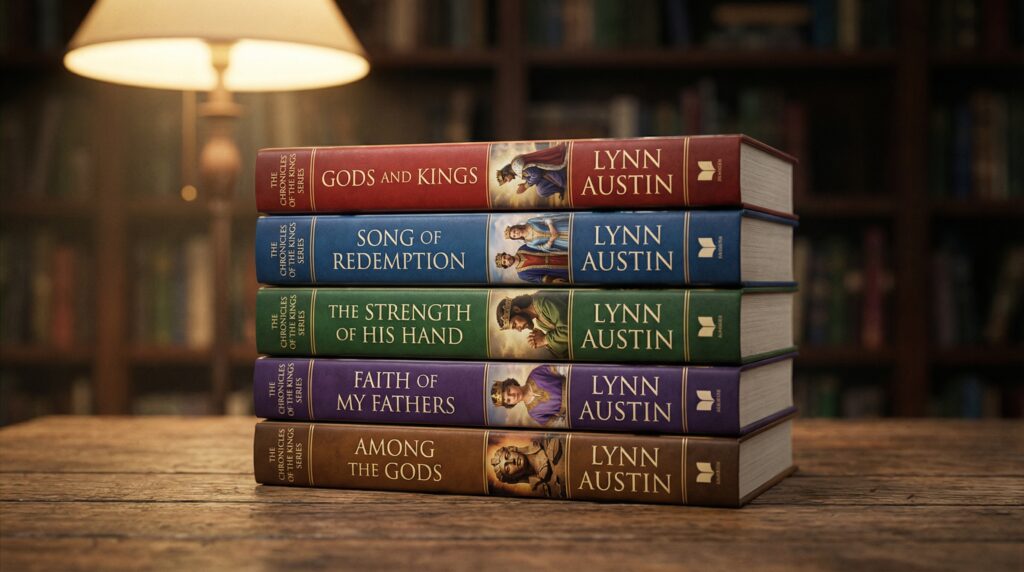
Biblical fiction is a delicate genre. It requires a balance of creative storytelling and rigorous adherence to scriptural truth. Few works achieve this balance as effectively as the Chronicles of the Kings Series by Lynn Austin. Spanning five comprehensive novels, this series does not merely retell the stories found in 2 Chronicles and 2 Kings; it breathes life into the dust of archaeology, transforming ancient monarchs into flesh-and-blood men wrestling with the weight of crowns and the commands of Yahweh.
For readers seeking to understand the turbulent history of Judah, the Chronicles of the Kings Series offers an immersive experience. From the idolatrous depths of King Ahaz’s reign to the spiritual heights of Hezekiah’s revival, and finally into the dark rebellion of Manasseh, Austin guides the reader through decades of political intrigue and spiritual warfare. This article provides a definitive, deep-dive analysis of the entire Chronicles of the Kings Series, examining its narrative arc, historical fidelity, and enduring legacy in Christian literature.
Lynn Austin: The Voice Behind the History
Before diving into the books themselves, it is essential to understand the architect of the Chronicles of the Kings Series. Lynn Austin is a decorated author, having won eight Christy Awards for her excellence in Christian fiction. Her approach to the Chronicles of the Kings Series was not one of mere imagination but of profound research. Austin is known for traveling to Israel, studying archaeological sites, and consulting biblical scholars to ensure that the texture of daily life from the food eaten to the weapons used by the Assyrian army is portrayed with high fidelity.
It is this dedication to authenticity that elevates the Chronicles of the Kings Series above standard genre fare. Austin understands that the drama of the Old Testament needs no embellishment, only excavation. Her ability to weave the prophetic voice of Isaiah into the personal struggles of the protagonists serves as the narrative backbone of the entire pentalogy.
Historical Context of the Series
The Chronicles of the Kings Series is set primarily in the 8th and 7th centuries BC, a period defined by the terrifying rise of the Neo-Assyrian Empire. This was a time when the Northern Kingdom of Israel was decimated and scattered, leaving the tiny Southern Kingdom of Judah as the last bastion of Davidic lineage and worship of the One True God.
Throughout the Chronicles of the Kings Series, the geopolitical tension is palpable. The characters are not living in a vacuum; they are squeezed between the aggressive expansion of Assyria and the deceptive allure of Egyptian alliances. Understanding this pressure cooker environment is crucial for appreciating the decisions made by King Hezekiah and his successors. The series masterfully depicts how spiritual apostasy led to political vulnerability, a central theme of the biblical text that drives the plot of these novels.
Book 1: Gods and Kings
The saga begins with Gods and Kings. This opening volume of the Chronicles of the Kings Series establishes the dark backdrop against which the light of restoration will eventually shine. We are introduced to Hezekiah not as a powerful king, but as a traumatized prince living under the shadow of his father, the wicked King Ahaz.
In Gods and Kings, the reader witnesses the horror of Moloch worship in the Valley of Hinnom. Austin does not shy away from the brutality of Ahaz’s reign, which includes child sacrifice. This stark portrayal is necessary to show the magnitude of the miracle that is Hezekiah’s faith. How does a righteous king emerge from such a broken lineage? The Chronicles of the Kings Series answers this by highlighting the influence of mentors, including the high priest’s family and the prophet Isaiah. The internal conflict of Hezekiah, torn between fear of his father and a drawing toward Yahweh, sets the emotional stage for the rest of the series.
Book 2: Song of Redemption
Moving forward in the Chronicles of the Kings Series, Song of Redemption captures the explosive joy and logistical difficulty of national revival. With Ahaz dead, Hezekiah ascends the throne. However, the Chronicles of the Kings Series realistically portrays that changing a law does not immediately change a heart. The nation is steeped in idolatry.
This installment focuses heavily on the cleansing of the Temple, a massive undertaking described in 2 Chronicles 29. Austin introduces the character of Jerusha, offering a perspective on the common people’s suffering and eventual hope. The juxtaposition of Hezekiah’s royal decrees with the grassroots reality of the Levites and citizens creates a multi-dimensional narrative. Song of Redemption is arguably the most hopeful book in the Chronicles of the Kings Series, showcasing the power of repentance to heal a fractured land.
Book 3: The Strength of His Hand
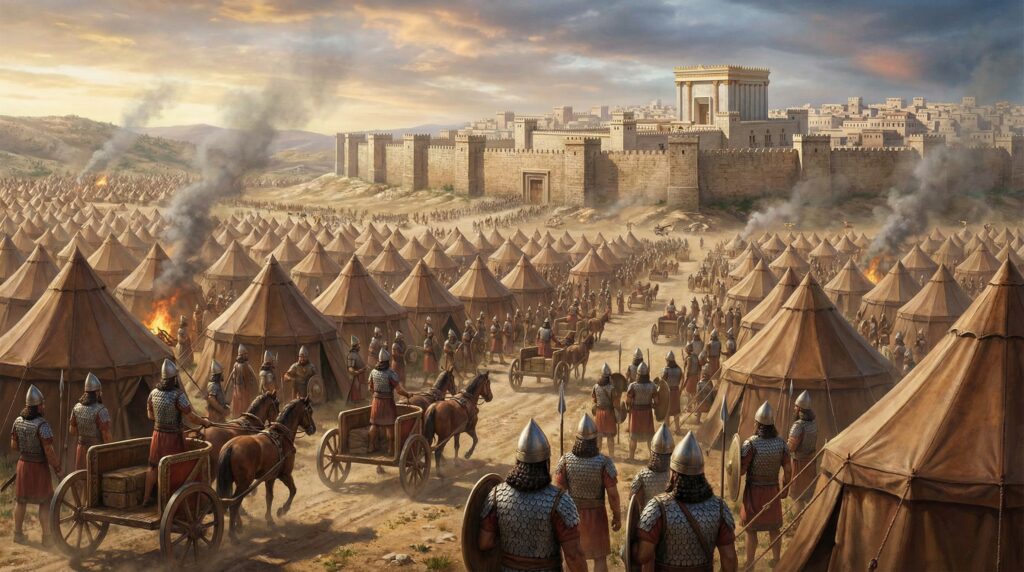
If the second book was about spiritual revival, the third book, The Strength of His Hand, is about the test of that faith. No review of the Chronicles of the Kings Series would be complete without analyzing Austin’s depiction of the Assyrian siege. Sennacherib, the brutal Assyrian emperor, marches against Judah. The historical stakes are incredibly high.
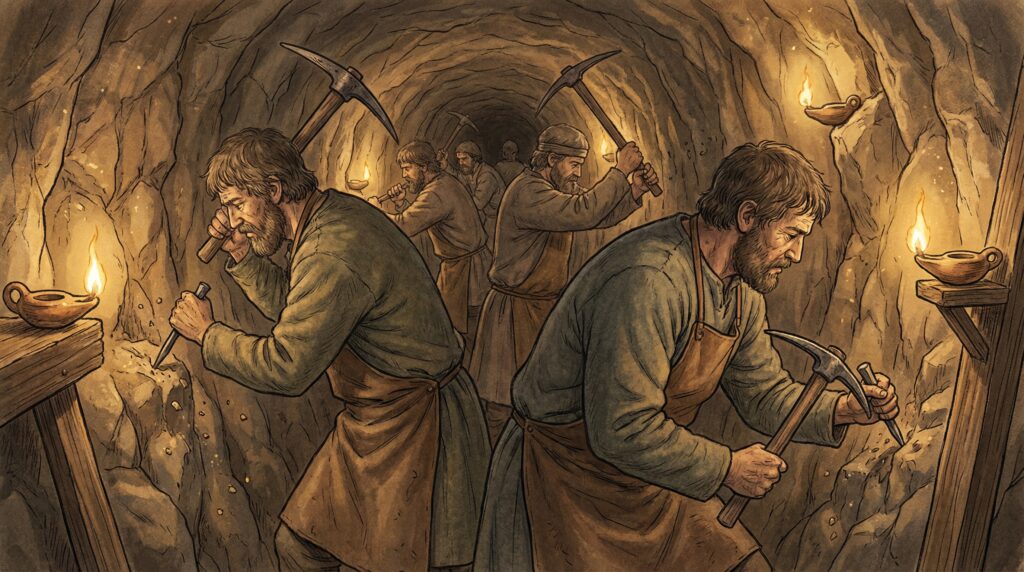
This volume details the engineering marvel of Hezekiah’s Tunnel (the Siloam Tunnel), dug to secure Jerusalem’s water supply. The Chronicles of the Kings Series uses this engineering feat as a metaphor for digging deep into God’s promises when surrounded by enemies. The climax of this novel, featuring the miraculous intervention of God against the Assyrian army, is written with cinematic intensity. It cements the Chronicles of the Kings Series as a work that honors the miraculous while grounding it in gritty reality.
Book 4: Faith of My Fathers
The narrative arc takes a tragic turn in Faith of My Fathers. The Chronicles of the Kings Series transitions from the golden age of Hezekiah to the dark rise of his son, Manasseh. This is often the most difficult book for readers to digest emotionally, as they watch the son of a godly king systematically dismantle his father’s legacy.
Why does a child raised in truth turn to lies? The Chronicles of the Kings Series explores the psychological and spiritual roots of Manasseh’s rebellion. Austin depicts Manasseh not as a caricature of evil, but as a confused young man manipulated by corrupt advisors and his own insecurities. By humanizing the villain, the Chronicles of the Kings Series makes the tragedy of his choices feel personal and heartbreaking. This volume serves as a warning about the fragility of faith transfer between generations.
Book 5: Among the Gods
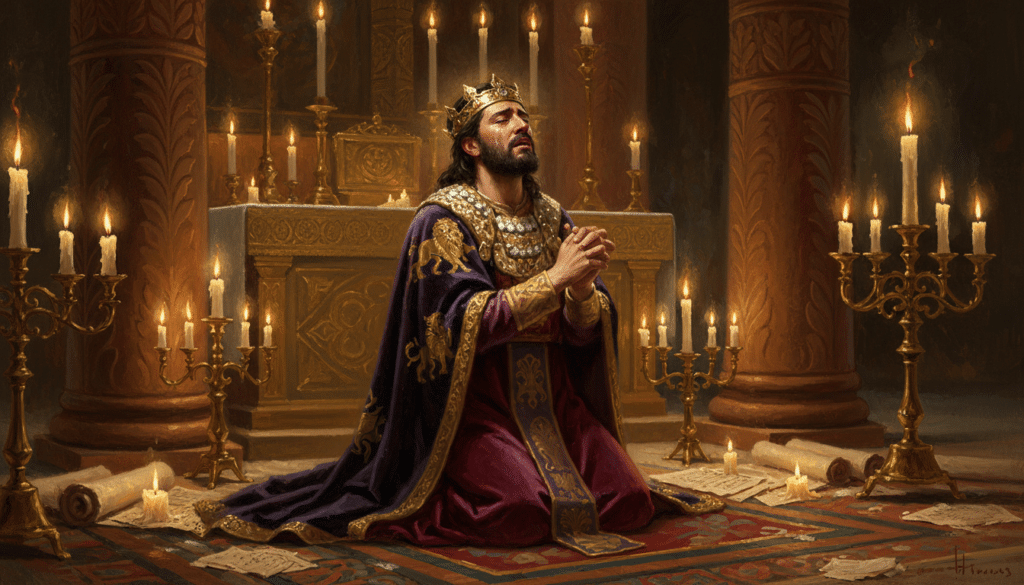
The conclusion of the Chronicles of the Kings Series, Among the Gods, offers one of the most powerful redemption arcs in Christian fiction. Based on the account in 2 Chronicles 33, where Manasseh is taken prisoner to Babylon and eventually repents, this novel brings the saga full circle.
Readers who struggled through the darkness of the fourth book are rewarded here. The Chronicles of the Kings Series argues that no one is beyond the reach of God’s mercy not even a king who filled Jerusalem with innocent blood. The depiction of Manasseh’s humbling in the dungeons of Babylon is visceral. When he finally returns to Jerusalem, the Chronicles of the Kings Series does not offer a “happily ever after” but a realistic portrayal of a man spending the rest of his life trying to undo the damage he caused. It is a poignant, mature ending to the series.
Major Themes and Biblical Accuracy
The enduring popularity of the Chronicles of the Kings Series lies in its thematic depth. Several core themes run through the narrative:
- The Sovereignty of God vs. Human Agency: The characters are constantly faced with the choice to trust visible military might (Egypt/Assyria) or the invisible hand of Yahweh. The Chronicles of the Kings Series consistently highlights that true security is found only in God.
- The Consequences of Idolatry: Austin vividly portrays idolatry not just as a religious offense, but as a societal cancer that devalues human life and destroys families.
- Legacy and Fatherhood: From Ahaz to Hezekiah to Manasseh, the Chronicles of the Kings Series examines the impact fathers have on their sons, for better or worse.
regarding accuracy, the Chronicles of the Kings Series is widely praised. While Austin creates fictional secondary characters to drive the plot, the timeline, geography, and major events align closely with biblical scholarship. She fills in the “white space” of Scripture without contradicting the text.
Why the Chronicles of the Kings Series Stands Out
In a market saturated with Amish romance and modern thrillers, the Chronicles of the Kings Series stands as a pillar of biblical historical fiction. It challenges the reader intellectually and spiritually. It forces one to ask: “Would I have trusted Isaiah when the Assyrians were at the gate?”
For pastors, history buffs, and fiction lovers alike, the Chronicles of the Kings Series is an essential addition to the library. It transforms the two-dimensional names in a genealogy into friends and family. By the time you finish the fifth book, you do not just know about King Hezekiah; you feel as though you have walked the walls of Jerusalem with him. That is the power of the Chronicles of the Kings Series.