Table of Contents
- The Historical Weight of the Temple Mount
- The Prophetic Necessity of the Third Temple
- Tangible Preparations: Blueprints and Artifacts
- The Red Heifer: The Key to Ritual Purity
- The Geopolitical Impossibility: The Status Quo
- Scenarios: How Could It Actually Happen?
- Conclusion: A Matter of When, Not If?
- Frequently Asked Questions
- Frequently Asked Questions
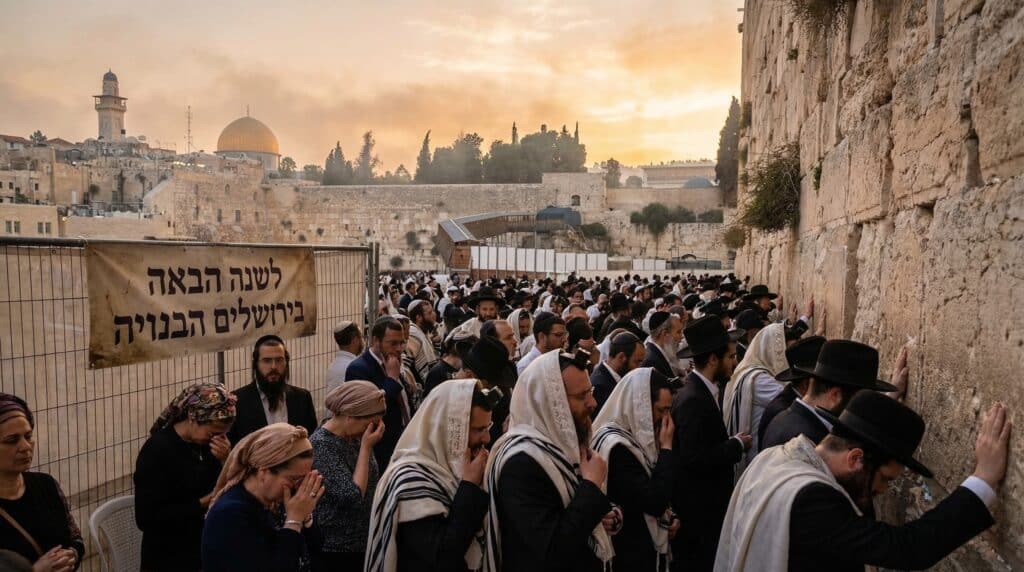
For centuries, the concept of a reconstructed Jewish temple has existed primarily in the realm of prayer and eschatological longing. However, in recent years, the question Third Temple Prophecy has shifted from theological abstraction to a headline-grabbing geopolitical discussion. With the convergence of rigorous preparations by organizations like The Temple Institute, the controversial arrival of potential Red Heifers, and escalating tensions surrounding the Temple Mount, the possibility of the Third Temple in Jerusalem becoming a reality is being scrutinized more closely than ever before.
This article provides a comprehensive, expert analysis of the current status of the Third Temple in Jerusalem. We will explore the historical context, the specific preparations being made on the ground, the biblical prophecies driving the movement, and the massive political obstacles that stand in the way.
The Historical Weight of the Temple Mount
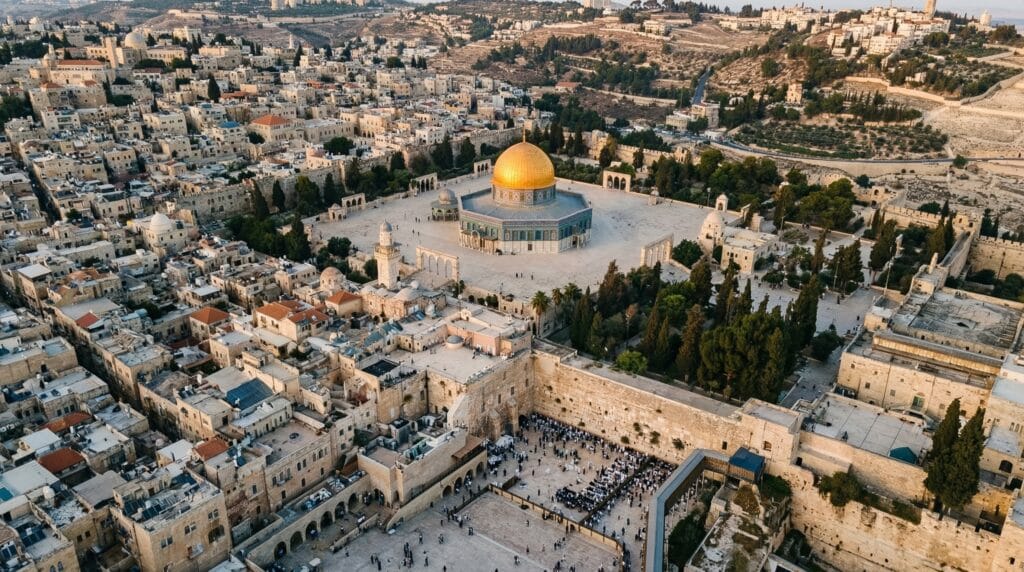
To understand the urgency behind the push for the Third Temple in Jerusalem, one must grasp the colossal significance of the site. The Temple Mount (Har HaBayit) is arguably the most contested piece of real estate on Earth. It was the site of the First Temple, built by King Solomon in the 10th century BCE and destroyed by the Babylonians in 586 BCE. It was also the location of the Second Temple, rebuilt by returning exiles and later expanded by Herod the Great, before being razed by the Romans in 70 CE.
For nearly 2,000 years, Jewish liturgy has been saturated with pleas to return to Zion and rebuild the House of God. For religious Jews, the Third Temple in Jerusalem represents the ultimate redemption—a restoration of the divine presence (Shekhinah) to its designated dwelling place. However, the site is currently home to the Dome of the Rock and the Al-Aqsa Mosque, the third holiest site in Islam. This layering of sacred geography creates a volatile atmosphere where theology meets territory.
The Prophetic Necessity of the Third Temple
For many believers—both Jewish and Christian—the construction of the Third Temple in Jerusalem is not merely a cultural project; it is a prophetic inevitability. In traditional Jewish thought, the Third Temple is associated with the Messianic age, a time of universal peace and the gathering of exiles. The prophet Ezekiel provides an incredibly detailed architectural vision (Ezekiel 40-48) of a future temple that has yet to be built, fueling the conviction that a physical structure must eventually rise.
Similarly, many Christian dispensationalists view the Third Temple in Jerusalem as a critical marker in their end-times timeline. Interpretations of the New Testament, specifically 2 Thessalonians and the Book of Revelation, describe a temple standing in Jerusalem during the final days. Consequently, a significant portion of the support—both financial and political—for the Third Temple in Jerusalem comes from Christian Zionist groups in the United States who see these events as precursors to the Second Coming.
Tangible Preparations: Blueprints and Artifacts
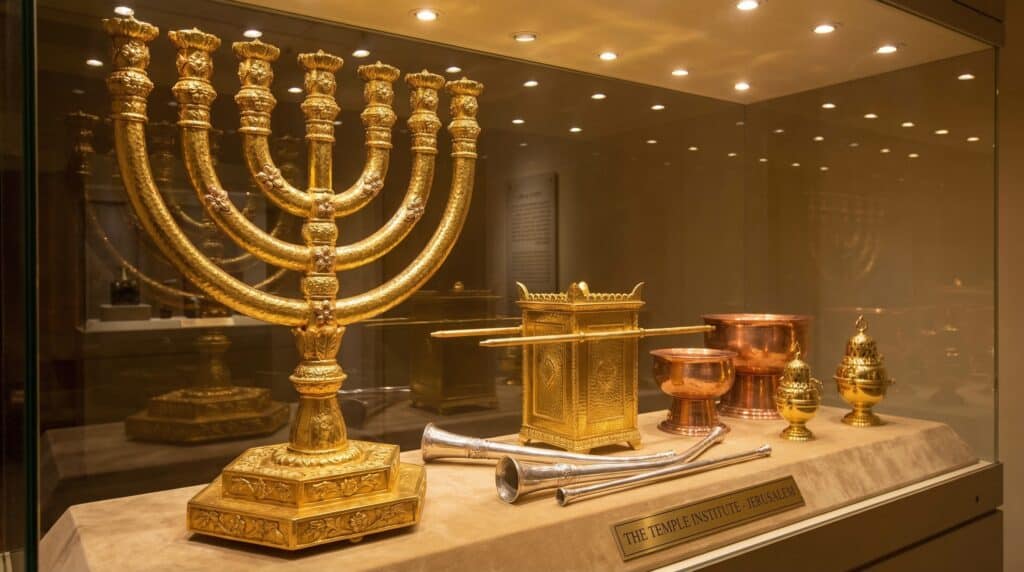
The days of merely praying for the temple are over for a growing faction of activists. Organizations such as the Temple Institute (Machon HaMikdash) based in the Old City of Jerusalem have moved beyond theory into active preparation. They argue that waiting for a miraculous descent of a temple from heaven is insufficient; human effort is required to prepare the ground for the Third Temple in Jerusalem.
The Temple Institute has already recreated over 60 sacred vessels required for temple service. These are not museum replicas but kosher artifacts crafted according to strict biblical law (halakha), ready for immediate use. These items include:
- The Golden Menorah: A massive, solid gold candelabra standing ready for display and use.
- The Table of Showbread: Crafted from wood and overlaid with gold.
- Priestly Garments: The Institute has woven the complex garments for the Kohanim (priests), including the High Priest’s breastplate featuring the twelve gemstones representing the tribes of Israel.
Furthermore, architectural blueprints for the Third Temple in Jerusalem have been drawn up, utilizing modern technology to reconcile ancient mandates with contemporary building codes. There is a palpable sense among these groups that the logistics are solved; only the location remains occupied.
The Red Heifer: The Key to Ritual Purity
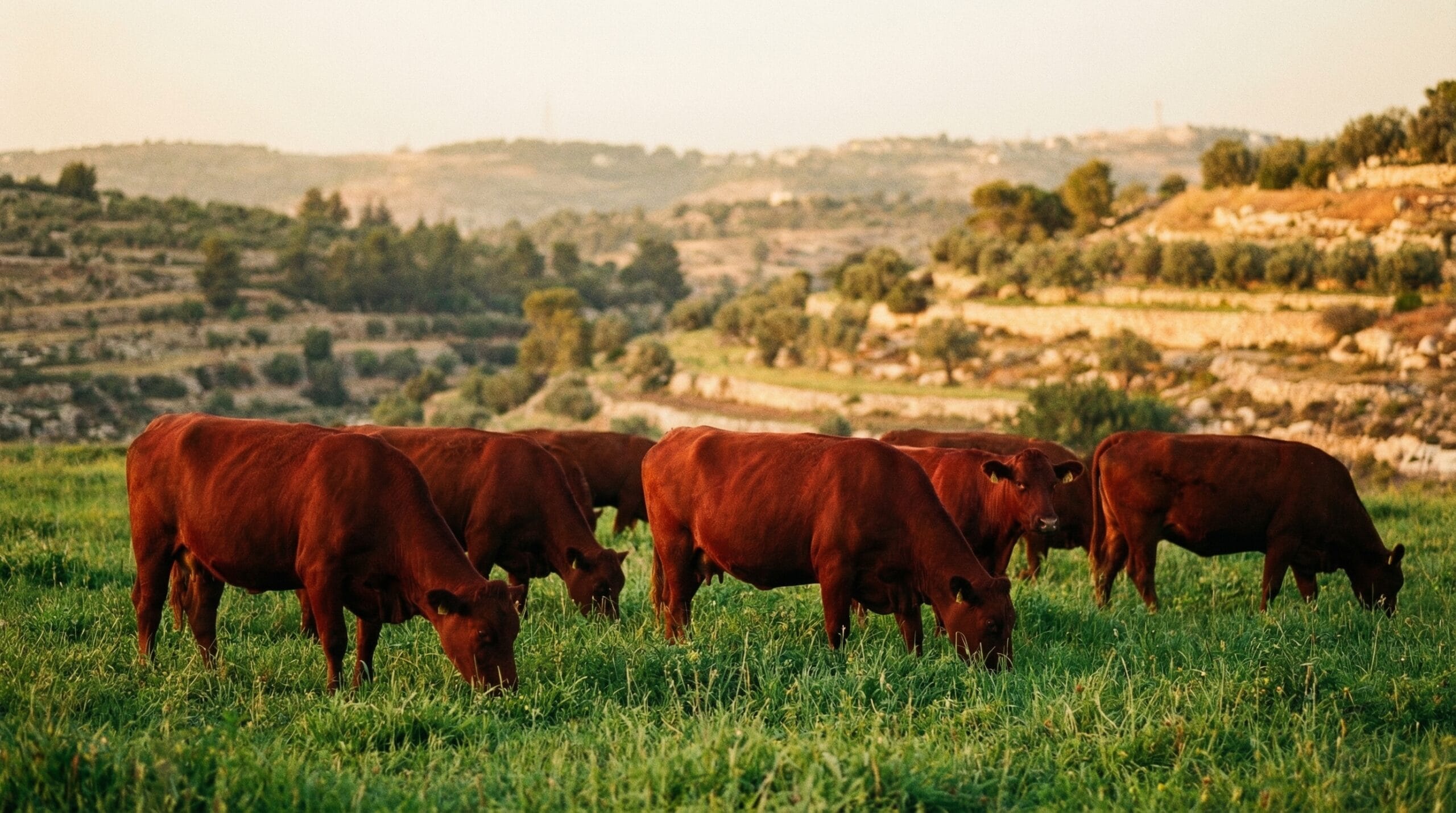
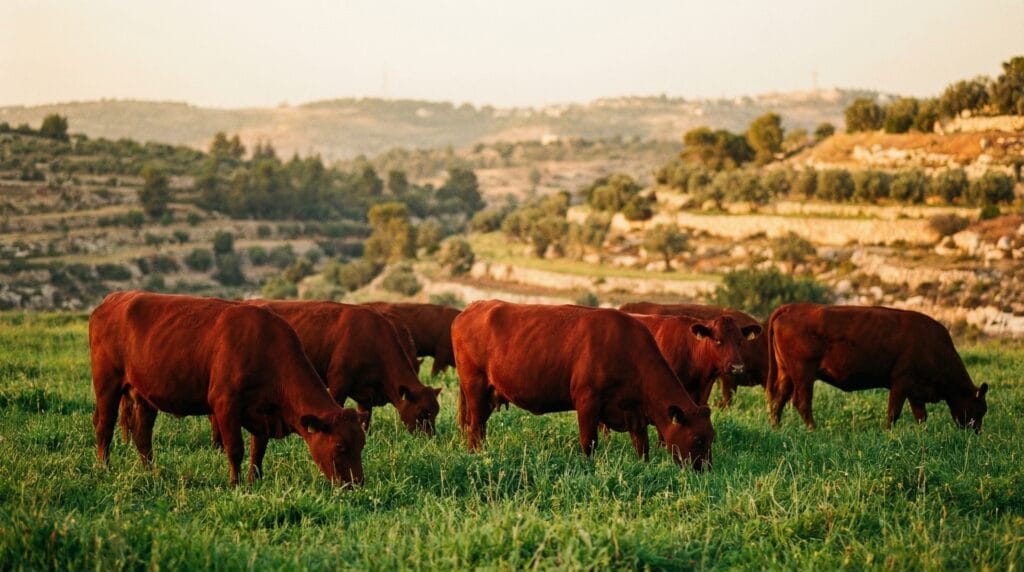
Perhaps the most electrifying development regarding the Third Temple in Jerusalem is the matter of the Red Heifer (Parah Adumah). According to Numbers 19, the ashes of a perfectly red heifer, without a single non-red hair and which has never been yoked, are required to purify priests and the altar from the impurity of death. Without this purification, the service in a rebuilt Third Temple in Jerusalem cannot validly commence.
For centuries, a qualifying red heifer was non-existent. However, in recent years, strenuous efforts to breed such cattle have seen success. In 2022, five perfect red heifers were flown from Texas to Israel, sparking a media frenzy and intense speculation. The presence of these heifers in Israel suggests to proponents that the final spiritual barrier to the Third Temple in Jerusalem is about to be removed. The timeline for utilizing these heifers is narrow, as they become disqualified if they grow non-red hairs or age past a certain point, adding a
1 thought on “Third Temple Prophecy: Will It Be Built in Jerusalem?”